

MapMyMole Mole Mapping Service
Early detection through professional mole imaging and monitoring.
Comprehensive mapping
Why Choose Mole Mapping
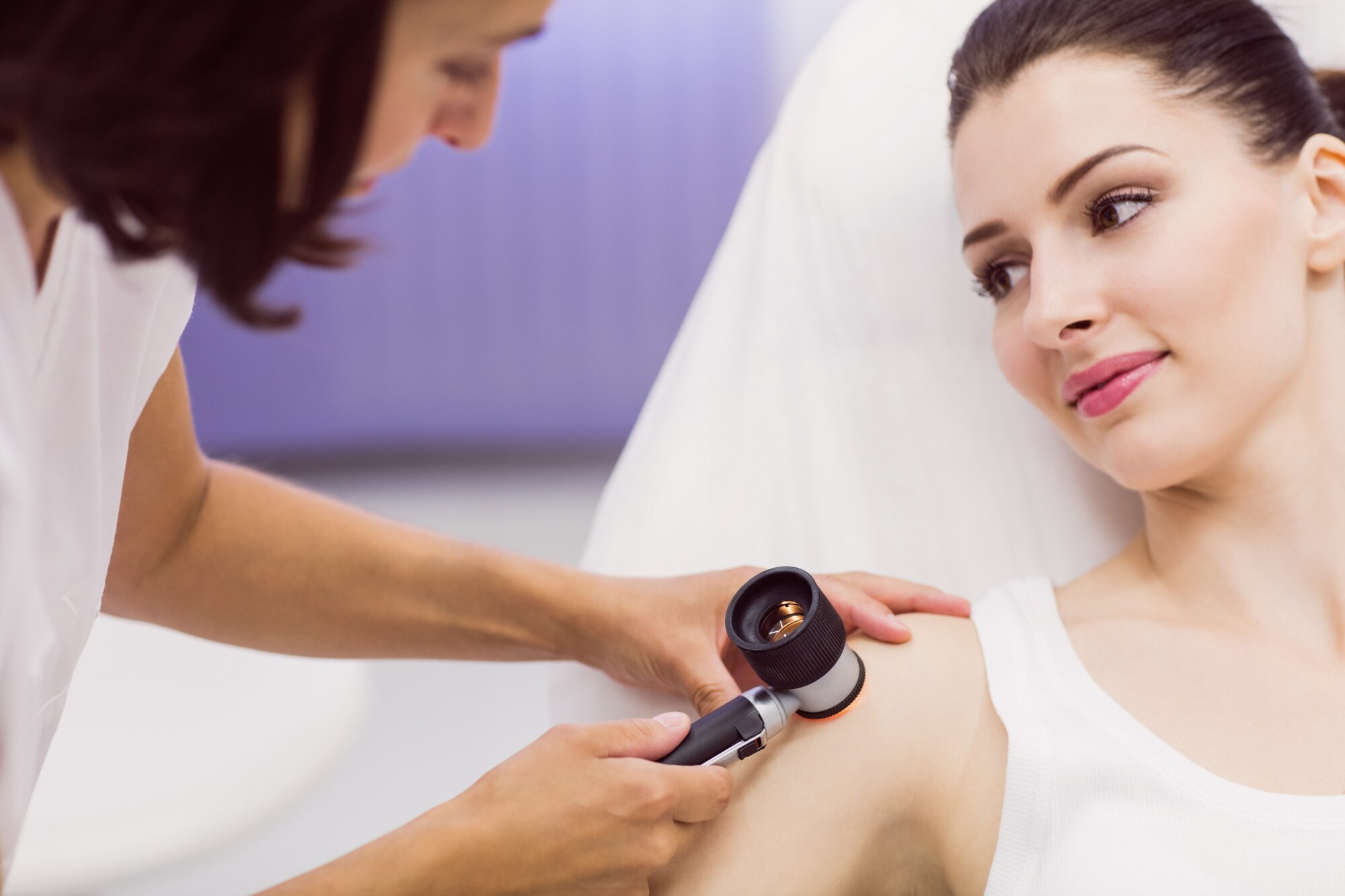
Our mole mapping combines detailed photography with structured records to create a baseline for each lesion. Images are captured under consistent lighting and magnification, then stored securely. Subsequent visits focus on side-by-side comparisons, enabling clinicians to spot subtle changes in shape, colour or size. This method reduces uncertainty, helps prioritise suspicious lesions for further assessment, and supports patient reassurance through documented monitoring. If a concerning change is detected, we outline referral options and next steps clearly. The process is non-invasive, quick, and integrates with existing clinical pathways to ensure timely action when needed.
High-resolution mole imaging
Automated change detection
Scheduled follow-up reviews
Secure digital records
How it works
Service Details
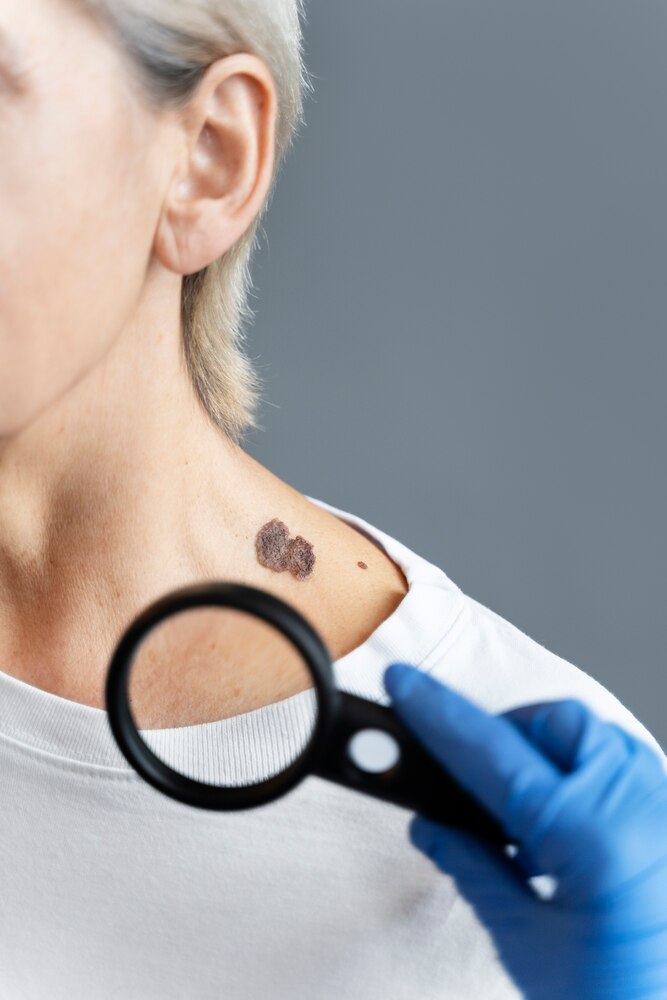
The service begins with a focused consultation to record history and concerns. A trained clinician photographs moles with a dermatoscope or high-quality camera, noting exact locations. Images are labelled and stored for future comparison. We provide a personalised plan indicating which lesions require routine review versus urgent assessment. Results and recommendations are explained in plain language, and a copy of your record can be provided. The service is designed to integrate with primary care or specialist referral if biopsy or further investigation is required, ensuring a smooth transition from monitoring to diagnosis when necessary.
Quick Appointments
Short consultations for efficient monitoring.
Local Access
Available across nearby community locations.
Professional Staff
Trained clinicians perform imaging and review.
After your appointment
Follow-up and Next Steps
After imaging, we discuss findings and set an appropriate follow-up schedule based on risk factors and lesion characteristics. Patients receive guidance on self-checking and when to seek urgent review. All images and notes are stored with strict privacy controls. If immediate concern arises during assessment, we outline referral pathways to dermatology services and provide documentation to support rapid onward care. Our aim is to partner with patients to reduce anxiety through clear information while ensuring potential problems are escalated without delay.

Key Benefits
Mole mapping supports early identification of suspicious changes that might indicate skin cancer. By establishing a photographic baseline, clinicians can detect subtle evolutions that are hard to notice with the naked eye. The process is simple and non-invasive, ideal for patients with multiple moles, atypical lesions, or a family history of skin cancer. Digital tracking improves diagnostic confidence and can reduce unnecessary biopsies by distinguishing stable moles from those that change. We provide practical advice for self-exams and act quickly to refer patients for specialist review when clinically warranted.
Early detection improves outcomes
Non-invasive and painless process
Digital records for accurate tracking
Clear guidance and referrals
Trusted local service
Community-Focused Skin Surveillance
Our mole mapping service combines clinical experience with modern imaging to deliver reliable monitoring in a community setting. We aim to make skin surveillance accessible, informative, and supportive. Appointments are structured to maximise value: quick image capture, expert review, and clear advice. Patients receive a copy of their monitoring plan and know when to return for review. We emphasise privacy, accuracy, and timely referrals where necessary, working alongside primary care and dermatology providers to ensure continuity of care and prompt action if changes are detected.
FAQs
Frequently asked questions to help you prepare and understand the service.
What is mole mapping?
Mole mapping is photographic documentation of moles to detect changes over time and support early diagnosis.
How long does an appointment take?
Typical appointments take 15–30 minutes depending on the number of lesions and consultation needed.
Will the images be kept private?
Yes. Images and notes are stored securely and handled according to privacy regulations.
What happens if a mole looks suspicious?
We advise urgent referral to dermatology for further assessment, possible dermoscopy, or biopsy.
Do I need a GP referral?
A GP referral may not be required; check local service guidance or contact us to confirm.